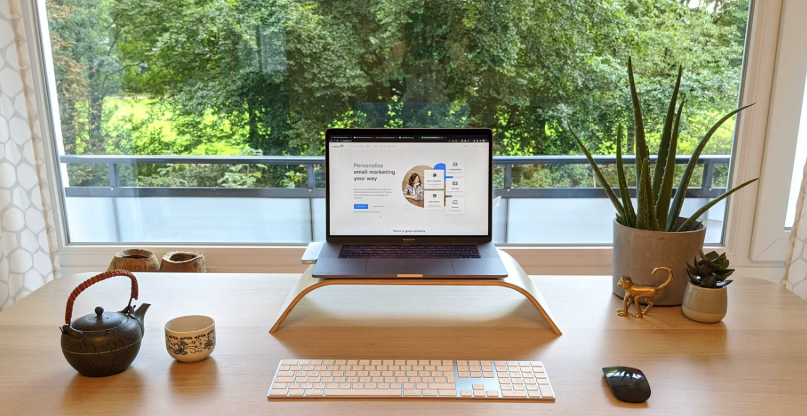
A comfortable home office starts with an ergonomic layout that supports neutral spine alignment and reachable essentials. The desk sits at elbow height, the chair encourages steady posture, and tools stay within easy range. Daylight is paired with adjustable lighting to minimize glare. Quiet textures and subtle colors create calm pockets, while smart organization hides cables and reduces clutter. The result is a focused, adaptable space that invites refinement and steady progress, if one considers what comes next.
Create a Comfort-First Ergonomic Layout
A comfort-first ergonomic layout prioritizes balance between posture, reach, and visibility, ensuring that essential tools are within easy reach and lines of sight remain neutral. This approach emphasizes ergonomic seating and proper desk height to reduce strain, promote sustained focus, and enhance mobility. It aligns functionality with aesthetics, empowering individuals to design spaces that feel liberating, efficient, and intentionally streamlined.
Light It Right for Focus and Mood
Effective lighting solidifies a comfort-first ergonomic setup by ensuring tasks are clearly visible without causing glare or eye strain. The approach emphasizes focus lighting and mood tuning, pairing natural daylight with well-placed LEDs to reduce fatigue. Adjustable fixtures enable individualized control, supporting freedom of work rhythms. Subtle color temperatures guide concentration while maintaining a calm atmosphere for sustained productivity.
Cozy Textures and Quiet Zones for All-Day Calm
Cozy textures and quiet zones contribute to all-day calm by blending tactile warmth with sound-dampened environments. The setup prioritizes material variety, natural fibers, and soft surfaces that reduce harsh reflections. Strategic placement creates defined work pockets, minimizing distraction, while ambient warmth and muted tones sustain focus. Cozy textures, quiet zones, and deliberate acoustics empower individual freedom to concentrate.
Smart Organization That Keeps Distractions Low
Smart organization minimizes distractions by prioritizing accessible storage, labeled systems, and a clean visual field. The approach favors compact storage solutions and discreet cable management, keeping surfaces clear and minds focused. Functional yet aesthetic layouts encourage freedom to move between tasks, while strategic placement reduces search time. Minimalism here equates to efficiency, clarity, and intentional work rhythms throughout the home office.
Frequently Asked Questions
How Can I Balance Comfort With Cost-Effectiveness?
Balancing comfort and cost effectiveness requires prioritizing ergonomic furniture, optimizing existing items, and selecting budget friendly decor. The strategy emphasizes functional design, aesthetic cohesion, and freedom to customize, ensuring affordable comfort without compromising productivity or long‑term value.
What Desk Height Works Across Different Body Types?
A versatile answer: desk height varies; ergonomics guidelines favor adjustable desk height to accommodate different body types. The velocity of setup matters, promoting posture friendly seating and an efficient, aesthetic, strategic workflow through a flexible, freedom-oriented approach.
Which Plants Improve Air Quality Without Triggering Allergies?
Air purifying herbs and low pollen plants can improve air quality, reducing sneezes and irritation. A quiet nurse plant stands like a calm sentinel; data show tidy green spaces cut indoor pollutants, supporting freedom-loving rooms with strategic, aesthetic resilience.
How Can I Reduce Eye Strain During Long Screen Sessions?
To reduce eye strain during long screen sessions, one should optimize screen lighting, adjust brightness, and use blue light filters; ergonomic seating and regular breaks support focus, while ambient lighting and contrast choices promote a functional, aesthetic, freedom-minded environment.
See also: Crypto Infrastructure and Market Transformation
What Are Quick, Non-Distracting Morning Setup Rituals?
Quick rituals constitute non-distracting mornings, enabling setup routines with minimal distractions. The approach is functional, aesthetic, strategic, and free-spirited, emphasizing intentional gaps between tasks. It favors calm efficiency, concise planning, and autonomous habits that sustain momentum throughout the day.
Conclusion
In a room where the chair cradles the spine and the desk meets the elbows, calm becomes a daily habit. Light, like a quiet companion, nudges focus without glare, while textures murmur with warmth and subtle sound. Discreet cords vanish into labeled havens, and pockets of stillness punctuate the hours. The space becomes a measured garden of efficiency—an environment that remembers the body, rewards intention, and invites steady work to flourish, as a lighthouse remembers a waiting harbor.